We also ensure that the whole team
is included in the process and that no one is left out
during the turnaround. The most crucial part is ensuring
some degree of financial stability during the turnaround.

Introduction to Capital Gains Tax
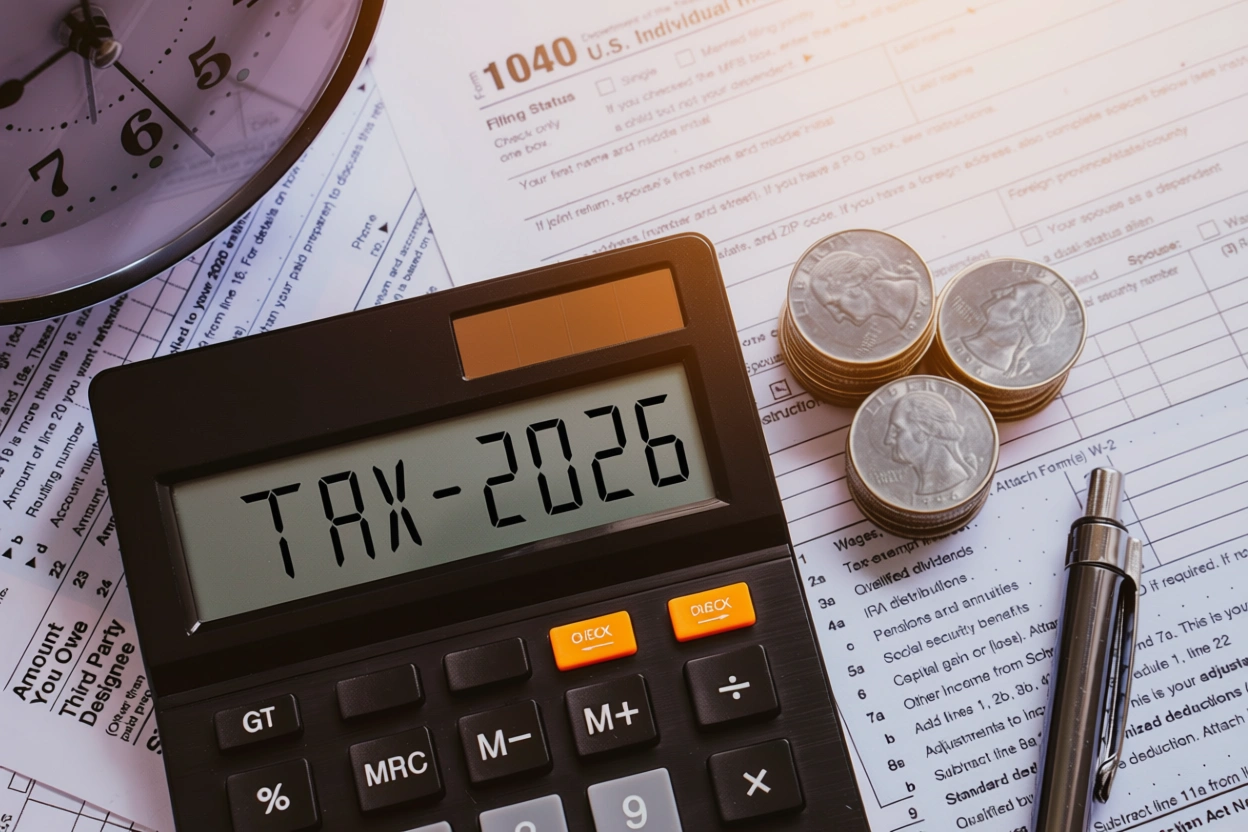
1.1 Introduction to Income Tax In Zimbabwe
Income tax is one of the most important pillars of any modern tax system, and Zimbabwe is no exception. It is a direct tax charged on the income earned by individuals, companies, trusts and other entities. “Direct” simply means the person on whom the tax is imposed is the same person who ultimately bears it. If you earn income, you are the one who pays the income tax on it, instead of passing it on to someone else like a consumer.
In Zimbabwe, income tax is mainly governed by two key laws. The Income Tax Act [Chapter 23:06] tells us what is taxable, who is liable and how the calculation is done. The Finance Act [Chapter 23:04] then sets the tax rates, bands and credits for each year of assessment. Together, these laws form the backbone of the income tax system.
1.2 Purpose and Role of Income Tax.The starting point for understanding income tax is its purpose. Governments cannot function without money. Income tax is one of the main ways the State raises revenue to fund essential public services such as hospitals, schools, roads, public security and social welfare.
Beyond raising money, income tax is also a tool for redistribution. Because individuals are usually taxed on a progressive scale – where higher levels of income are taxed at higher rates – the system helps to narrow the gap between the rich and the poor. The State uses the tax system to channel resources from those with greater ability to pay towards programmes that support the vulnerable, such as the elderly, unemployed and low-income households.
In addition, income tax is used to shape behaviour and influence the economy. Through various deductions, allowances and special provisions, government can encourage or discourage certain activities. For example, generous capital allowances on machinery or industrial buildings make it more attractive for businesses to invest, because they can deduct those costs faster for tax purposes. Targeted incentives for farming, mining or export activities are also written into the tax law. On the other hand, the denial of certain deductions, or the imposition of withholding taxes at high rates, can be used as a deterrent to undesirable practices.
Finally, taxation strengthens representation and accountability. Once people are contributing part of their income to the State, they become more interested in how that money is spent and begin to demand better governance and transparency. Income tax therefore plays both a financial and a political role in the State.
1.3 The Source Principle in ZimbabweZimbabwe operates, in principle, as a source-based jurisdiction for income tax. This means that what matters most is where the income is generated, not simply where the taxpayer lives. Income from a “source within Zimbabwe” – such as employment exercised in Zimbabwe, a business carried on in Zimbabwe, or rental income from property located in Zimbabwe – will generally be taxable here.
The law also contains “deeming” rules that treat certain amounts as having a Zimbabwean source even if parts of the transaction happen outside the country. For example, fees for services used in Zimbabwe or some payments made by Zimbabwean residents may still be treated as Zimbabwe-source income. As a result, both residents and non-residents can be liable to Zimbabwean income tax if they derive income from a Zimbabwean source.
1.4 The Core Concepts in Income Tax 1.4.1 Gross IncomeThe first core concept is gross income. In simple terms, gross income is the total amount, in cash or otherwise, received by or accrued to a person from a source within or deemed to be within Zimbabwe, excluding amounts of a capital nature, but including certain specific items that the law forces into gross income.
Gross income therefore covers salaries, wages, bonuses, allowances, business profits, rental income, certain grants and subsidies, and many other receipts. The law contains a list of “specific inclusions” to make sure that common items such as fringe benefits, lease premiums, certain lump sums and recoupments of previous deductions do not escape taxation simply because they are unusual in form.
1.4.2 Exempt IncomeNot every amount received or accrued is ultimately taxed. Some income is exempt. Exempt income is still a receipt or accrual, but the law expressly states that it must not be included when calculating taxable income. This can apply, for example, to certain pensions or gratuities within limits, some interest income below a threshold, and income of approved institutions that meet specific conditions.
Exemptions are important policy tools. They may be used to protect vulnerable groups, to encourage saving or investment in particular instruments, or to recognise that certain receipts should not be taxed more than once.
1.4.3 Deductions and Prohibited DeductionsThe next major concept is deductions. While gross income looks at what flows in, deductions look at what flows out in the course of earning that income. Broadly, the law allows a deduction for expenditure and losses actually incurred in the production of income and for the purposes of trade. These include normal business expenses such as staff costs, rent, utilities, repairs and maintenance, as well as specific items such as bad debts written off and certain legal costs.
A crucial part of deductions is capital allowances. Capital allowances are tax-deductible amounts granted over time in respect of capital assets like machinery, vehicles, industrial buildings and other depreciable property used to generate income. Without these allowances, taxpayers would be taxed on an inflated income figure that ignores the wearing out or consumption of their income-producing assets.
Alongside what is allowed, the law also lists prohibited deductions. These are items that may be real expenses, but are not permitted for income tax purposes. Typical examples include private or domestic expenditure, fines and penalties, purely capital expenditure that is not covered by any allowance, and income tax itself. The idea is that only expenses genuinely related to producing taxable income, and which the legislature intends to recognise, should reduce the tax base.
Importance of Taxes1.5 From Gross Income to Taxable Income
Once gross income has been identified and exemptions and deductions have been applied, we arrive at taxable income. The journey can be summarised in a simple mental formula:
Start with gross income (everything received or accrued that fits the definition), subtract any exempt amounts to obtain income, then subtract all allowable deductions to reach taxable income.
If deductions are more than the income, the result is an assessed loss, which, subject to statutory rules, can generally be carried forward and set off against future taxable income. It is important to notice that tax is not levied on gross inflows, but on this refined figure that attempts to approximate true net earnings over the year of assessment.
1.6 Types of Income Tax Within the SystemIncome tax is not a single, uniform charge. In Zimbabwe it covers a range of taxes and mechanisms operating under one umbrella.
Ordinary individual income tax applies to natural persons and is usually calculated on a progressive rate scale. The more a person earns, the higher the percentage rate applied to the top slices of their income. Employers play a major role in this system through Pay As You Earn (PAYE), where they withhold tax from employees’ salaries each month using prescribed tables and remit it to the revenue authority on their behalf.
Companies are taxed on their profits at flat corporate rates set out in the Finance Act, after adjusting accounting profit for tax purposes. This adjustment removes non-taxable income, adds back non-deductible expenses and brings in capital allowances instead of accounting depreciation.
There are also various withholding taxes, particularly on payments to non-residents such as interest, royalties, fees and dividends, and on some domestic payments like interest and directors’ fees. Additionally, presumptive taxes are imposed on certain informal sector activities or small operators where it would be difficult to administer full accounts-based taxation. These presumptive systems use simple indicators (such as vehicle type or business category) to estimate tax rather than requiring full financial statements.
1.7 Administration of Income TaxIncome tax is not a single, uniform charge. In Zimbabwe it covers a range of taxes and mechanisms operating under one umbrella.
Ordinary individual income tax applies to natural persons and is usually calculated on a progressive rate scale. The more a person earns, the higher the percentage rate applied to the top slices of their income. Employers play a major role in this system through Pay As You Earn (PAYE), where they withhold tax from employees’ salaries each month using prescribed tables and remit it to the revenue authority on their behalf.
Companies are taxed on their profits at flat corporate rates set out in the Finance Act, after adjusting accounting profit for tax purposes. This adjustment removes non-taxable income, adds back non-deductible expenses and brings in capital allowances instead of accounting depreciation.
There are also various withholding taxes, particularly on payments to non-residents such as interest, royalties, fees and dividends, and on some domestic payments like interest and directors’ fees. Additionally, presumptive taxes are imposed on certain informal sector activities or small operators where it would be difficult to administer full accounts-based taxation. These presumptive systems use simple indicators (such as vehicle type or business category) to estimate tax rather than requiring full financial statements.
1.8 Administration of Income TaxA good income tax system is judged not only by how much it raises, but also by how it behaves. Classic principles of tax equity, certainty, convenience, economy and simplicity are all relevant.
Equity requires both vertical and horizontal fairness. Vertical equity means those with greater ability to pay should bear a heavier burden, which is why progressive tax rates and wealth-related taxes exist. Horizontal equity means people in similar economic circumstances should pay similar amounts of tax.
Certainty demands that taxpayers know in advance how much tax they are likely to pay, when it is due and on what basis it is calculated. Clear legislation and regular publication of tax tables and guidance help to achieve this. Convenience is reflected in mechanisms like PAYE, provisional tax and withholding taxes, which aim to match tax payments to cash flows and make compliance less painful.
Economy and efficiency mean that the cost of collecting the tax should not absorb an excessive portion of the revenue raised, and that the tax should not unnecessarily distort economic decisions. Finally, simplicity and transparency are vital for voluntary compliance: the more understandable the system, the more likely taxpayers are to comply willingly.
1.9 ConclusionIn summary, income tax in Zimbabwe is a structured system for taxing net income from Zimbabwean sources, anchored in detailed legislation and administered by ZIMRA. It serves to fund government, redistribute resources, influence economic behaviour and strengthen the link between citizens and the State.
At its heart lie key ideas such as gross income, exemptions, deductions, taxable income and assessed loss, all operating within a framework that tries to balance fairness, efficiency and practicality. Once these foundation stones are clear, it becomes much easier to move into the more technical topics like specific inclusions in gross income, detailed deductions, capital allowances and the step-by-step computation of tax for different categories of taxpayers.
Other Domestic Taxes Courses To Explore
Additional Learning Material
-
Quiz Questions
-
Quiz AnswersWe also ensure that the whole team is included in the process and that no one is left out during the turnaround. The most crucial part is ensuring some degree of financial stability during the turnaround.
-
Legislation ReferencesWe also ensure that the whole team is included in the process and that no one is left out during the turnaround. The most crucial part is ensuring some degree of financial stability during the turnaround.